What I can’t seem to understand is the rationale as to why the moderators of this forum (who I very much appreciate and respect, by the way), find it unacceptable to reproduce even one official LSAT question, verbatim.
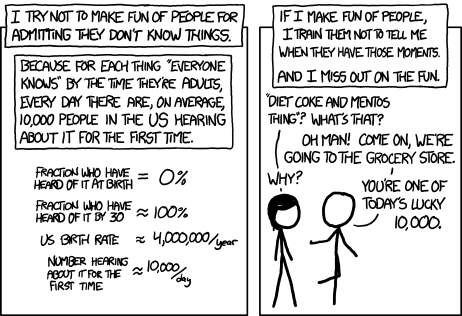
Nobody knows what fair use is. There is just about nothing that can categorically be said to be fair use or not. (Ok, copying DVD’s and selling them on ebay is not fair use.)
My guess would be that LSAC’s legal goons sent a threatening letter some time ago, and TLS just adopted a strict rule to be safe.
First of all, the issue is far closer to a breach of confidentiality in the old-school trade-secret sense than copyright. All students taking the exam sign an agreement stating they will not reproduce questions, TLS ownership and moderators are certainly aware of the agreement, as per their rule about posting, so there is potential liability under a contributory or vicarious liability theory.
So, they likely would not be in trouble because of copyright violation so fair use wouldn’t actually be a defense because, as I’m sure you are aware, §102(b)/§107 only serve as defenses in copyright infringement suits. As for the fair use argument in a copyright theory, there simply is none. I don’t know why the poster above me stated categorically, “nobody knows what fair use is,” because many people do, and I assure you, sharing LSAT questions does not qualify as fair use. It is precisely the sort of market damaging reproduction and distribution that the copyright act is intended to prevent.
I’m glad to see your 0L degree in Philosophy has provided you with a thorough understanding of defenses to Copyright infringement! For additional discussion of why this isn’t fair use, please see Robert A. Kreiss, Coypright Fair Use of Standardized Tests, 48 Rutgers Law Rev. 4 (1996).
“Fair use” and “free speech” are terms that people without legal knowledge just throw around like they know something, without realizing that they are some of the most complex legal concepts in existence. Your average 0L probably has a better understanding of the RAP than they do of First Amendment.
I love any mention of the RAP, and I agree with this whole heartedly as a former 0L who thought I knew everything until I actually made it to law school.
They probably found it with one of the spiffy legal research tools everyone gets to use in law school. The article is from a 1996 issue of Rutgers Law Review, as Cupidity’s citation says.
Quit bumping this thread. No one cares about your fair use crusade.